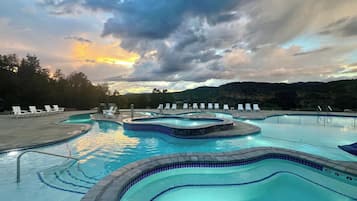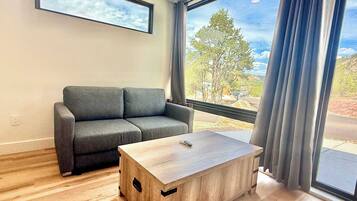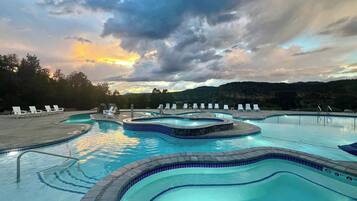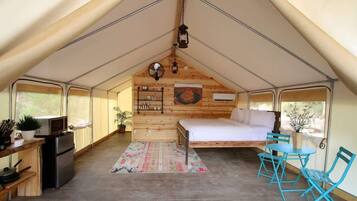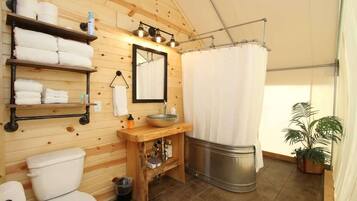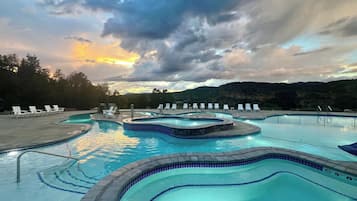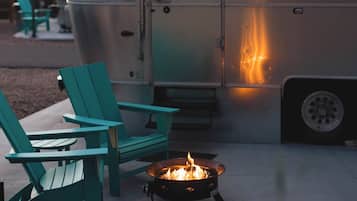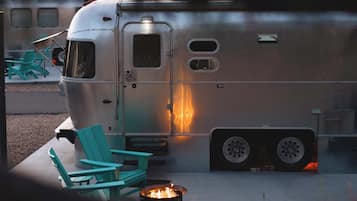
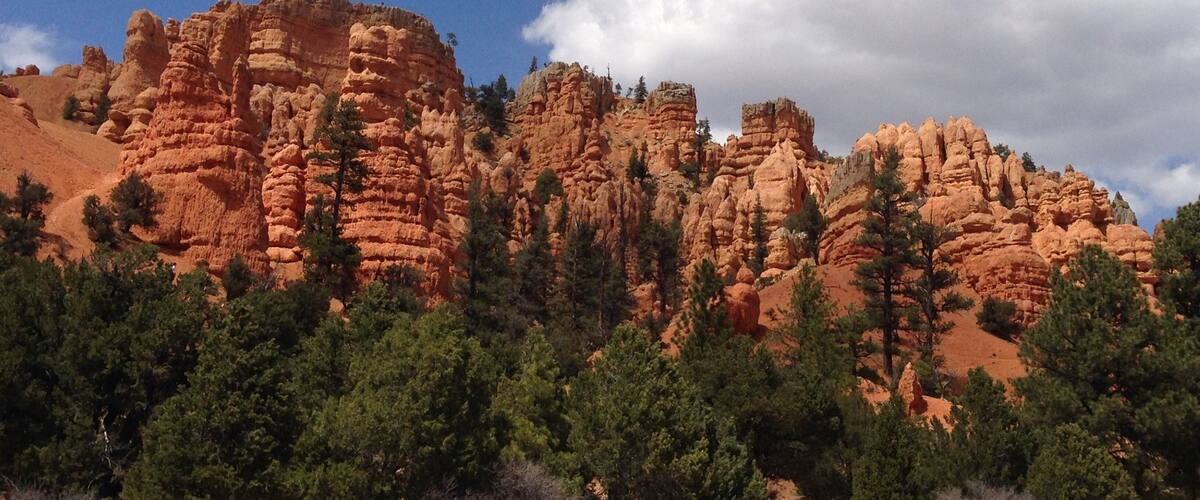
Foto tomada por Eric & Kristy's Adventures
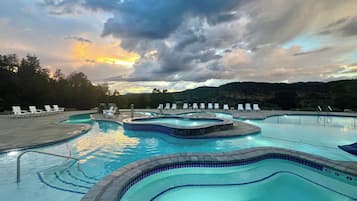
Hoteles con pileta en Alton
- Anticípate a los cambios de planesReserva hoteles con cancelación gratis.
- Elige tu opción idealBusca entre casi un millón de propiedades en el mundo.
Hoteles con pileta en Alton. Mira la disponibilidad:
Esta noche
Mañana
Este fin de semana
El próximo fin de semana
Hoteles con pileta en tendencia en Alton

Bryce Canyon Pines
Bryce Canyon
8.0 de 10, Muy bueno, (991)
El precio actual es de AR$ 114.224
AR$ 128.982 en total
impuestos y cargos incluidos
10 dic. - 11 dic.

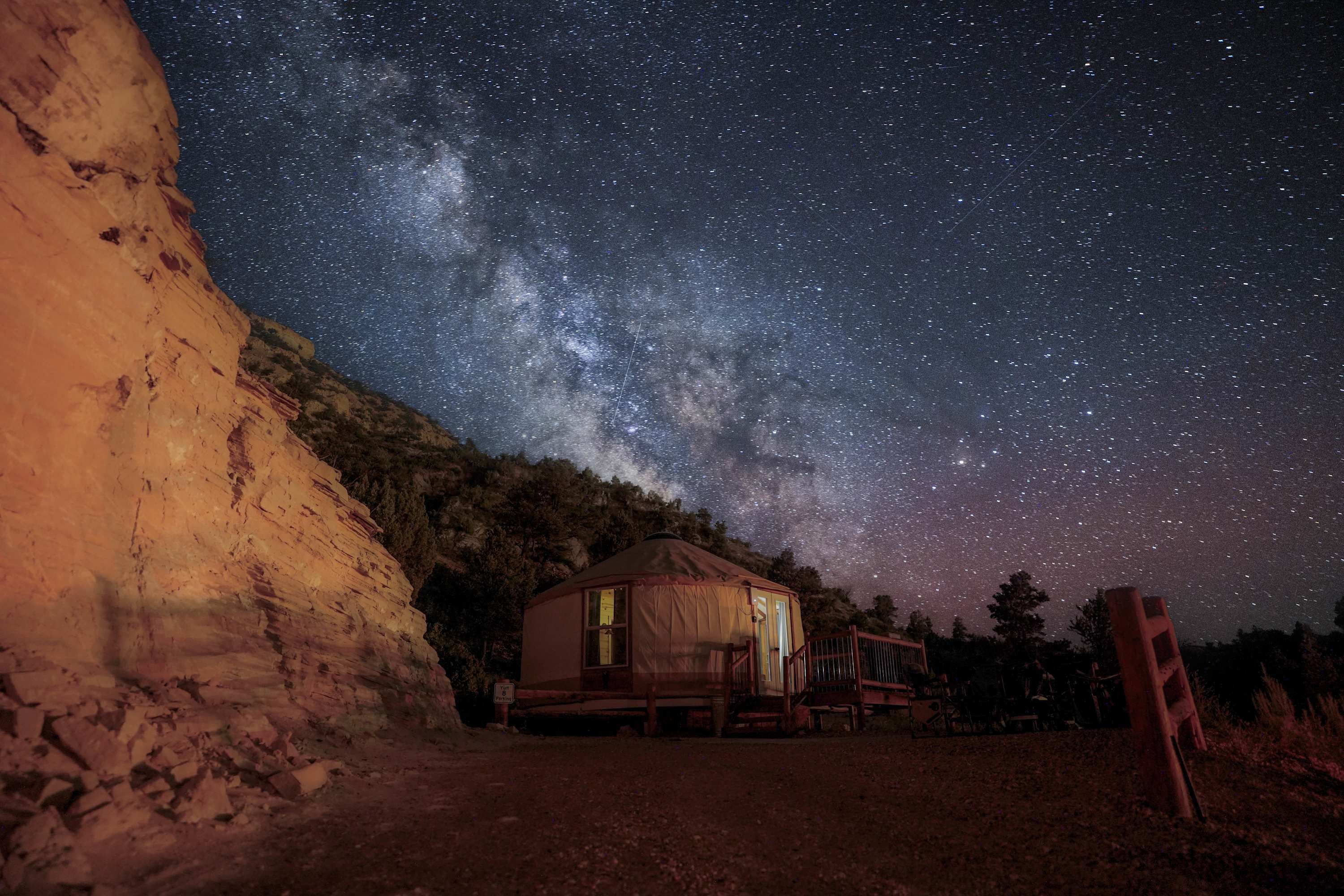
Airstream Star Gazing w/Resort Pools & Hot Tubs
Orderville
10.0 de 10, Excepcional, (2)
El precio actual es de AR$ 142.413
AR$ 313.759 en total
impuestos y cargos incluidos
7 dic. - 8 dic.

Treetop Cabin Near Zion & Bryce National Parks
Orderville
9.2 de 10, Magnífico, (5)
El precio actual es de AR$ 196.181
AR$ 382.815 en total
impuestos y cargos incluidos
7 dic. - 8 dic.

Treetop Cabin Stargazing w/ New Resort Pool
Orderville
10.0 de 10, Excepcional, (10)
El precio actual es de AR$ 199.087
AR$ 386.157 en total
impuestos y cargos incluidos
4 ene. - 5 ene. 2026

Stargazing in Bed, Glamping in a Zion Treehouse
Orderville
10.0 de 10, Excepcional, (8)
El precio actual es de AR$ 207.807
AR$ 396.184 en total
impuestos y cargos incluidos
4 ene. - 5 ene. 2026

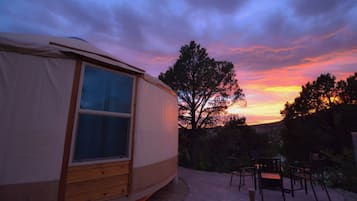
Yurt Near Bryce & Zion w/ AC Private Bath 2 Kings
Orderville
8.8 de 10, Excelente, (3)

Romantic Treehouse Retreat near Zion National Park
Orderville
10.0 de 10, Excepcional, (2)

Zion cabin in the treetops with pool & hot tub
Orderville
10.0 de 10, Excepcional, (6)
El precio actual es de AR$ 203.447
AR$ 392.624 en total
impuestos y cargos incluidos
7 dic. - 8 dic.
Precio por noche más bajo encontrado en las últimas 24 horas para una estadía de una noche para dos adultos. Los precios y la disponibilidad están sujetos a cambios. Es posible que se apliquen más términos y condiciones.
![Take Hwy 89 through the Dixie National Forest. Hot in summer. Beautiful area to explore.
Dixie National Forest is a United States National Forest in Utah with headquarters in Cedar City. It occupies almost two million acres (8,000 km²) and stretches for about 170 miles (270 km) across southern Utah. The largest national forest in Utah, it straddles the divide between the Great Basin and the Colorado River. In descending order of forestland area it is located in parts of Garfield, Washington, Iron, Kane, Wayne, and Piute counties. The majority (over 55%) of forest acreage lies in Garfield County. There are local ranger district offices in Cedar City, Escalante, Panguitch, St. George, and Teasdale.[3]
Elevations vary from 2,800 feet (850 m) above sea level near St. George, Utah to 11,322 feet (3,451 m) at Blue Bell Knoll on Boulder Mountain. The southern rim of the Great Basin, near the Colorado River, provides spectacular scenery. Colorado River canyons are made up of multi-colored cliffs and steep-walled gorges.
The Forest is divided into four geographic areas. High altitude forests in gently rolling hills characterize the Markagunt, Paunsaugunt, and Aquarius Plateaus. Boulder Mountain, one of the largest high-elevation plateaus in the United States, is dotted with hundreds of small lakes 10,000 to 11,000 feet (3,000 to 3,400 m) above sea level. The forest includes the Pine Valley Mountains north of St. George
The Forest has many climatic extremes. Precipitation ranges from 10 inches (250 mm) in the lower elevations to more than 40 inches (1,000 mm) per year near Brian Head Peak 11,307 feet (3,446 m). At the higher elevations, most of the annual precipitation falls as snow. Thunderstorms are common during July and August and produce heavy rains. In some areas, August is the wettest month of the year.
Temperature extremes can be impressive, with summer temperatures exceeding 100 degrees Fahrenheit (38 degrees Celsius) near St. George and winter lows exceeding -30 degrees Fahrenheit (-34 degrees Celsius) on the plateau tops.
The vegetation of the Forest grades from sparse, desert-type plants at the lower elevations to stand of low-growing pinyon pine and juniper dominating the mid-elevations. At the higher elevations, aspen and conifers such as pine, spruce, and fir predominate.
The Dixie Forest Reserve was established on September 25, 1905 by the General Land Office. The name was derived from the local description of the warm southern part of Utah as "Dixie".[4] In 1906 the U.S. Forest Service assumed responsibility for the lands, and on March 4, 1907 it became a National Forest. The western part of Sevier National Forest was added on July 1, 1922, and all of Powell National Forest on October 1, 1944.[5] #RoadTrip](https://images.trvl-media.com/place/553248623139890761/0fda4c56-7838-41e8-8b93-58002efa6942.jpg?impolicy=fcrop&w=1200&h=500&q=medium)