
Tegalrejo
Guía de viaje

Visita Tegalrejo

Hotel Tentrem Yogyakarta
Jl. P. Mangkubumi 72A Yogyakarta Yogyakarta
Del 18 oct al 19 oct, el precio por noche es de US$ 110
US$ 110
US$ 133 en total
18 oct. - 19 oct.
impuestos y cargos incluidos
Hospédate en este hotel de lujo en Yogyakarta. Aprovecha el desayuno incluido, el acceso a wifi gratis y el estacionamiento gratis. Estarás muy cerca de atracciones ...

Yogyakarta Marriott Hotel
Jalan Ringroad Utara, Condong Catur Depok
Del 2 nov al 3 nov, el precio por noche es de US$ 96
US$ 96
US$ 116 en total
2 nov. - 3 nov.
impuestos y cargos incluidos
Hospédate en este hotel de lujo en Depok. Aprovecha el acceso a wifi gratis, el estacionamiento gratis y el spa de servicio completo. Nuestros huéspedes destacan ...
9,4/10 ¡Excepcional! (299 opiniones)
"La propiedad es excelente. Las habitaciones e instalaciones muy amplias y perfectamente mantenidas. Pero lo mejor fue el personal. Exceden cualquier expectativa. Todos muy amables, extremadamente atentos y siempre sonrientes. Bravo!"
Enviada el 1 sept. 2024

Hyatt Regency Yogyakarta
Jalan Palagan Tentara Pelajar Ngaglik Yogyakarta
Del 3 nov al 4 nov, el precio por noche es de US$ 61
US$ 61
US$ 73 en total
3 nov. - 4 nov.
impuestos y cargos incluidos
Hospédate en este resort de lujo en Ngaglik. Aprovecha el acceso a wifi gratis, el estacionamiento gratis y el spa de servicio completo. Estarás muy cerca de ...
9,2/10 ¡Magnífico! (389 opiniones)
Hermoso lugar
"Fue mi segunda vez en este hotel. Super recomendadísimo a pesar de que las habitaciones no han sido remodeladas."
Enviada el 28 ago. 2016
Precio por noche más bajo encontrado en las últimas 24 horas para una estadía de una noche para dos adultos. Los precios y la disponibilidad están sujetos a cambios. Es posible que se apliquen más términos.
Allure Villa Yogyakarta
Jl. Jambon Tengah Yogyakarta Jogja
Hospédate en esta villa de negocios en Yogyakarta. Aprovecha el acceso a wifi gratis, el estacionamiento gratis y las piscinas privadas. Estarás muy cerca de ...

Oakwood Yogyakarta
Jl. A.M. Sangaji No.36, Yogyakarta
Hospédate en este apart-hotel de lujo en Yogyakarta. Aprovecha el estacionamiento gratis, el desayuno y el servicio a la habitación las 24 horas. Estarás muy ...

House with 3 BR near XTSquare @Nitikan HouseA
Jogja Jogja
Hospédate en esta casa de vacaciones en Yogyakarta. Aprovecha el aire acondicionado. Estarás muy cerca de atracciones como Calle Malioboro y Parque Lapangan ...
Precio por noche más bajo encontrado en las últimas 24 horas para una estadía de una noche para dos adultos. Los precios y la disponibilidad están sujetos a cambios. Es posible que se apliquen más términos.
Hospédate cerca de algunas de las atracciones destacadas de Tegalrejo
Actividades

Excursión garantizada a Borobudur y Prambanan Todo Incluido
US$ 33.888
por adulto
El 100% de las personas recomiendan esta actividad
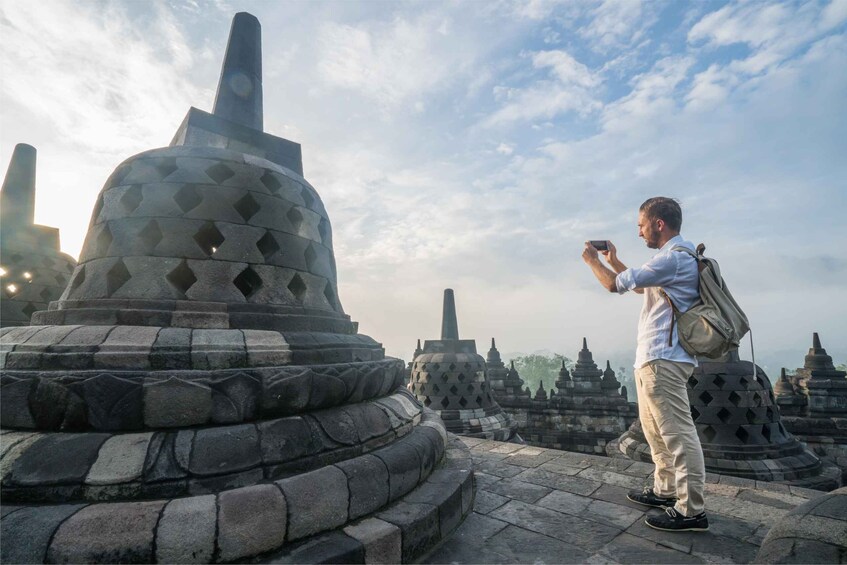
Yogyakarta: Borobudur Sunrise (subida asegurada) & Prambanan
US$ 71.272
por adulto
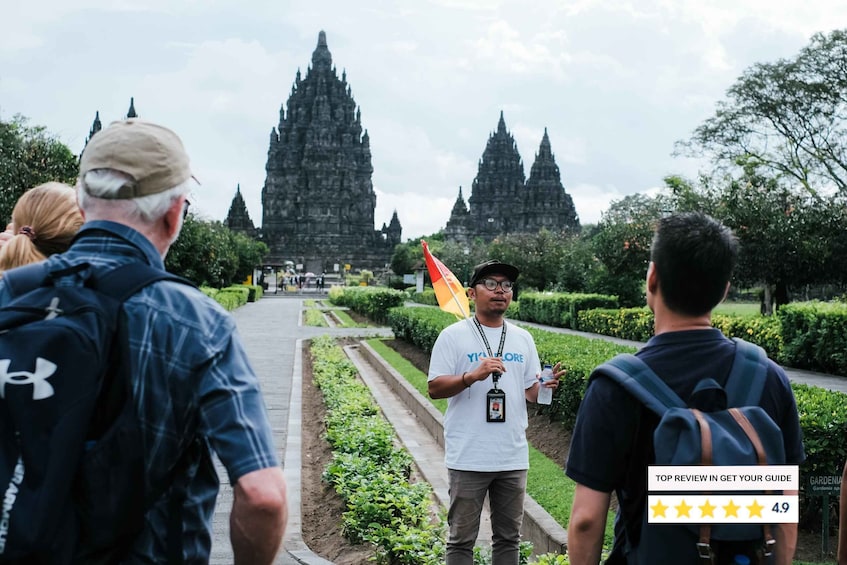
Yogyakarta:Excursión guiada compartida por Borobudur y Prambanan
US$ 27.534
por adulto
El 100% de las personas recomiendan esta actividad

Acceso garantizado a Borobudur y tour en grupo pequeño por Prambanan
US$ 50.833
por adulto

Volcanes Yogyakarta : Monte Merapi en la cima de una colina (Vista Lava)
US$ 50.833
por adulto

Kagungan Dalem Tamansari Kraton Yogyakarta
US$ 1.525
por adulto