
Hoteles en Nikiski
 Anticípate a los cambios de planesReserva hoteles con cancelación gratis.
 Elige tu opción idealBusca entre casi un millón de propiedades en el mundo.
Encuentra un hospedaje especial en Nikiski
Departamentos
Hidromasaje
Condominios
Familias
Cabañas
Parque acuático
Consulta precios para estas fechas
Esta noche
7 oct. - 8 oct.Mañana
8 oct. - 9 oct.Este fin de semana
9 oct. - 11 oct.El próximo fin de semana
16 oct. - 18 oct.Nuestra selección de hoteles en Nikiski
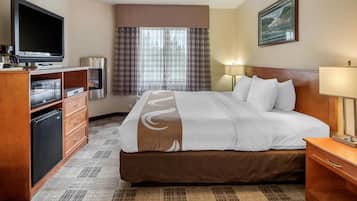
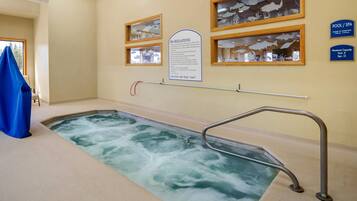
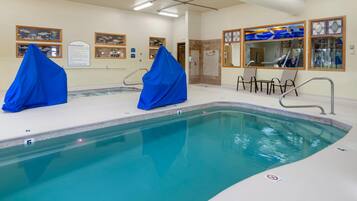

1. Quality Inn Kenai
Quality Inn KenaiKenai
US$ 120
US$ 128 en total
impuestos y cargos incluidos
30 oct. - 31 oct.
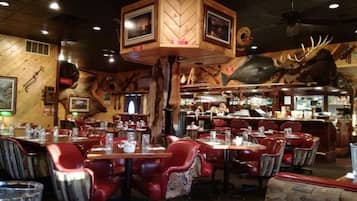
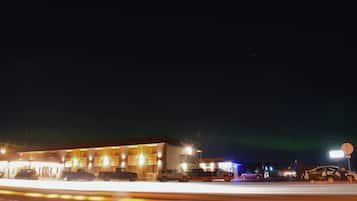
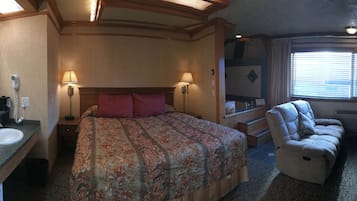

2. Uptown Motel Kenai
Uptown Motel KenaiKenai

Steven
US$ 101
US$ 107 en total
impuestos y cargos incluidos
9 oct. - 10 oct.

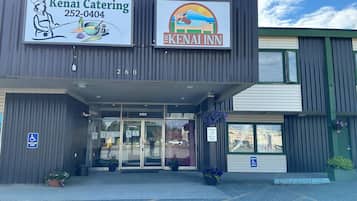
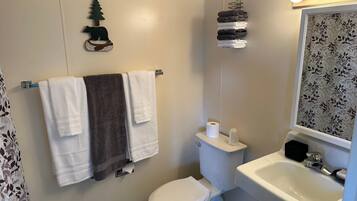
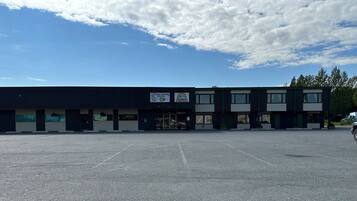
3. The Kenai Inn
The Kenai InnKenai
US$ 115
US$ 122 en total
impuestos y cargos incluidos
30 oct. - 31 oct.
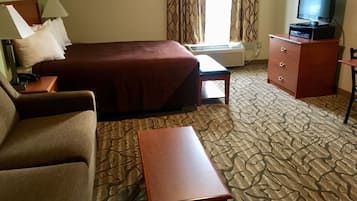


4. Aspen Extended Stay Suites Kenai
Aspen Extended Stay Suites KenaiKenai
US$ 152
US$ 161 en total
impuestos y cargos incluidos
8 oct. - 9 oct.

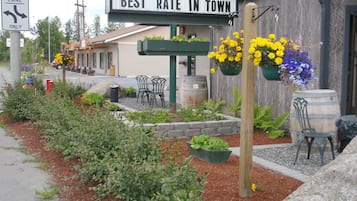


5. Soldotna Inn
Soldotna InnSoldotna
Annia
US$ 79
US$ 87 en total
impuestos y cargos incluidos
8 oct. - 9 oct.
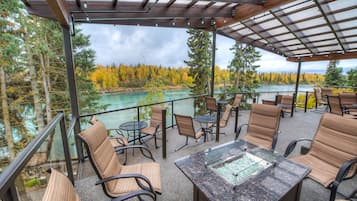
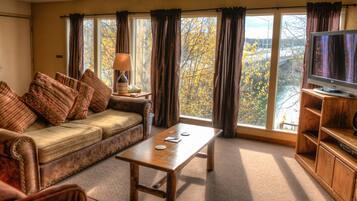

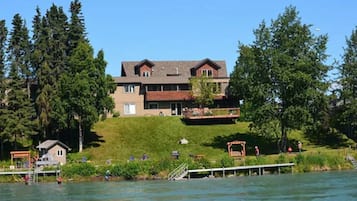
6. Kenai River Lodge
Kenai River LodgeSoldotna

Monica Laura
US$ 130
US$ 143 en total
impuestos y cargos incluidos
8 oct. - 9 oct.



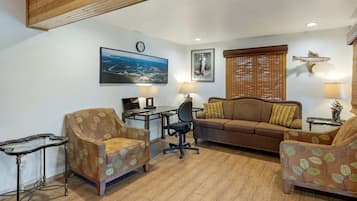
7. Best Western King Salmon Inn
Best Western King Salmon InnSoldotna

Sergi
US$ 134
US$ 148 en total
impuestos y cargos incluidos
9 oct. - 10 oct.
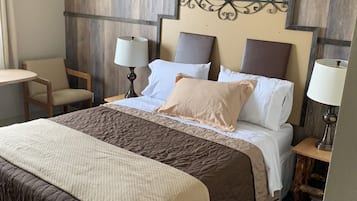


8. Alaska Angler's Inn
Alaska Angler's InnSoldotna
US$ 98
US$ 108 en total
impuestos y cargos incluidos
8 oct. - 9 oct.



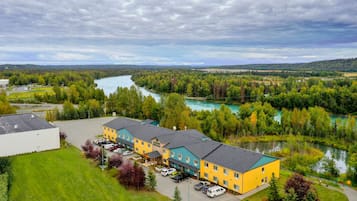
9. Aspen Hotel Soldotna
Aspen Hotel SoldotnaSoldotna
Giovanni
US$ 169
US$ 186 en total
impuestos y cargos incluidos
8 oct. - 9 oct.
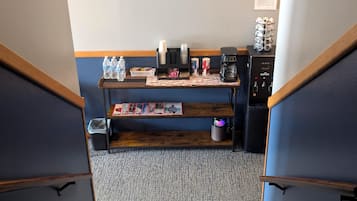

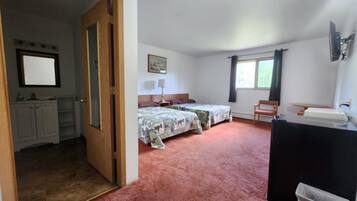
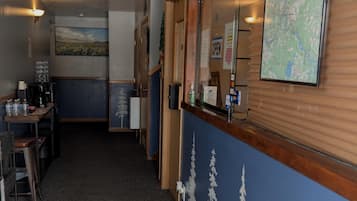
10. The Hibernation Station
The Hibernation StationSterling
US$ 95
US$ 98 en total
impuestos y cargos incluidos
8 oct. - 9 oct.
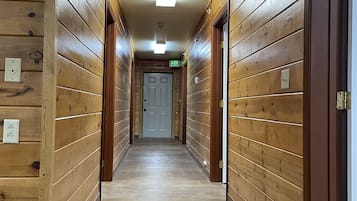
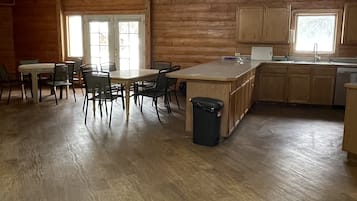

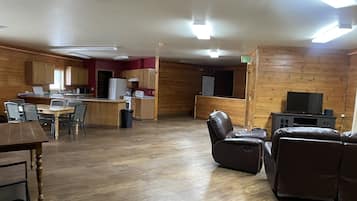
11. Soldotna Lodge
Soldotna LodgeSoldotna
David
US$ 75
US$ 77 en total
impuestos y cargos incluidos
8 oct. - 9 oct.


12. ALASKA LAKE and LODGE AT LONGMERE
ALASKA LAKE and LODGE AT LONGMERESoldotna
US$ 219
US$ 226 en total
impuestos y cargos incluidos
11 oct. - 12 oct.

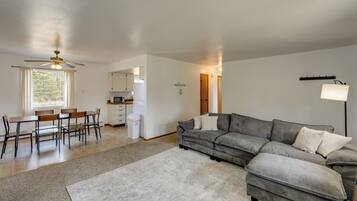


13. < 1 Mi to Soldotna Creek Park: Retreat w/ Fire Pit
< 1 Mi to Soldotna Creek Park: Retreat w/ Fire PitSoldotna
Viajero anónimo
US$ 212
US$ 435 en total
impuestos y cargos incluidos
31 oct. - 1 nov.
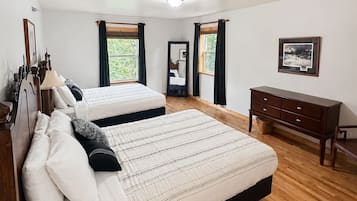
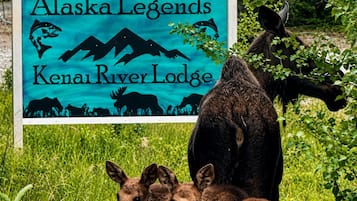

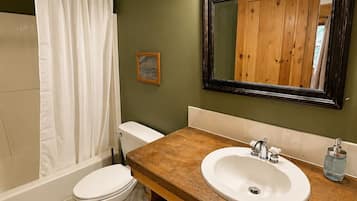
14. Alaska Legends Kenai River Lodge
Alaska Legends Kenai River LodgeSoldotna
US$ 312
US$ 321 en total
impuestos y cargos incluidos
8 oct. - 9 oct.
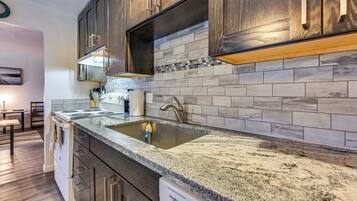


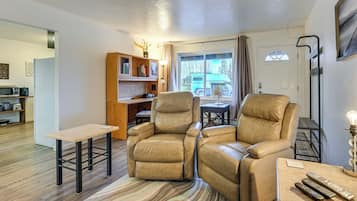
15. Comfort & Convenience! Apt in Central Soldotna
Comfort & Convenience! Apt in Central SoldotnaSoldotna
US$ 181
US$ 468 en total
impuestos y cargos incluidos
8 oct. - 9 oct.

Inicia sesión y obtén un descuento promedio del 15% en miles de hoteles
Hospédate cerca de algunas de las atracciones destacadas de Nikiski
Zona recreativa North Peninsula
8.8/10 (18 opiniones)
Conéctate con la naturaleza en Zona recreativa North Peninsula, un espacio verde imperdible de Nikiski. Cuando visites esta zona, te maravillarás con sus impresionantes volcanes.
Kotsina Road
8.0/10 (8 opiniones)
Haz tiempo para visitar Kotsina Road cuando viajes a Nikiski. Cuando visites esta zona, te maravillarás con sus impresionantes volcanes.
Island Lake
Cuando viajes a Nikiski, haz tiempo para disfrutar de la naturaleza en Island Lake. Esta zona te invita a conocer su lago.
Georgina Lake
Cuando viajes a Nikiski, haz tiempo para disfrutar de la naturaleza en Georgina Lake. Esta zona te invita a conocer su lago.
Cabin Lake
Cuando viajes a Nikiski, haz tiempo para disfrutar de la naturaleza en Cabin Lake. Esta zona te invita a conocer su lago.
North Pennisula Recreation Center
8.0/10 (11 opiniones)
Aprovecha las opciones entretenidas que te ofrece North Pennisula Recreation Center cuando vayas a Nikiski. Cuando visites esta zona, te maravillarás con sus impresionantes volcanes.
East Foreland Lighthouse Reserve
Haz tiempo para visitar East Foreland Lighthouse Reserve cuando viajes a Nikiski. Esta zona te invita a conocer su lago.
Dogbone Lake
Cuando viajes a Nikiski, haz tiempo para disfrutar de la naturaleza en Dogbone Lake. Esta zona te invita a conocer su lago.
Más información sobre Nikiski
Descubre Nikiski: este destino remoto te espera con canotaje, un divertido parque acuático, lugares para acampar, ¡y mucho más!
Ver todos los hoteles en Nikiski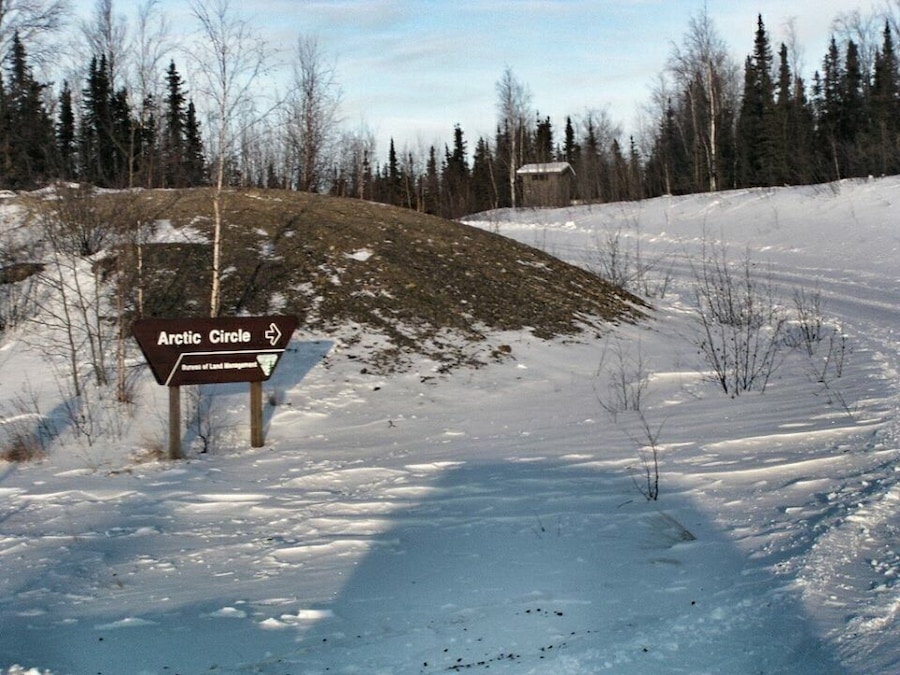
Foto tomada por Sharrie Shaw
Opiniones sobre hoteles destacados en Nikiski

Aspen Hotel Soldotna
10/10 Excelente
"Fantasticoooooo "
Estadías baratas en Nikiski

Soldotna Inn
35041 Kenai Spur Hwy. Soldotna AK
US$ 79
US$ 87 en total
8 oct. - 9 oct.
impuestos y cargos incluidos
7,6/10 ¡Bueno! (643 opiniones)

Uptown Motel Kenai
47 Spur View Drive Kenai AK
US$ 101
US$ 107 en total
9 oct. - 10 oct.
impuestos y cargos incluidos

Quality Inn Kenai
10352 Kenai Spur Hwy Kenai AK
US$ 120
US$ 128 en total
30 oct. - 31 oct.
impuestos y cargos incluidos
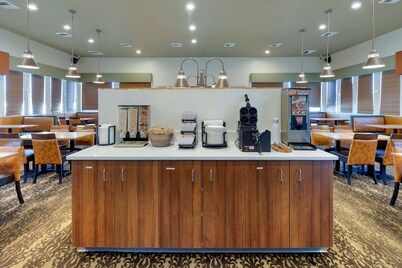
Best Western King Salmon Inn
35545 Kenai Spur Hwy Soldotna AK
US$ 134
US$ 148 en total
9 oct. - 10 oct.
impuestos y cargos incluidos
8,4/10 ¡Muy bueno! (423 opiniones)

Aspen Extended Stay Suites Kenai
10431 Kenai Spur Hwy Kenai AK
US$ 152
US$ 161 en total
8 oct. - 9 oct.
impuestos y cargos incluidos
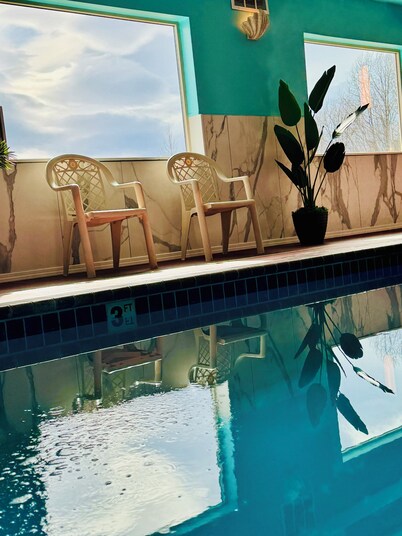
Aspen Hotel Soldotna
326 Binkley Circle Soldotna AK
US$ 169
US$ 186 en total
8 oct. - 9 oct.
impuestos y cargos incluidos
8,6/10 ¡Excelente! (875 opiniones)