
Actividades en Newmarket
Actividades, atracciones y tours
Visita Newmarket





Actividades
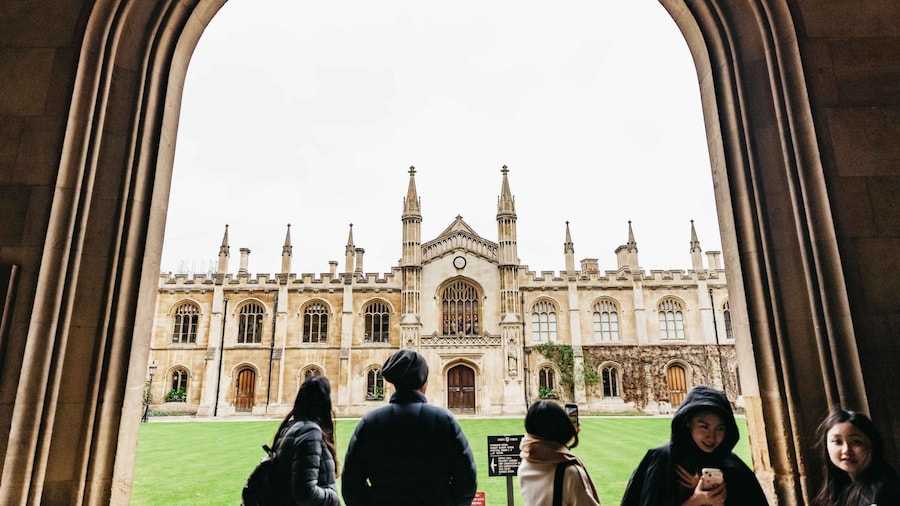
Recorrido a pie por Cambridge con exalumnosTM y King's opcional
US$ 47.073
por adulto

Tour guiado compartido en bote por Cambridge
US$ 36.840
por adulto
El 88% de las personas recomiendan esta actividad
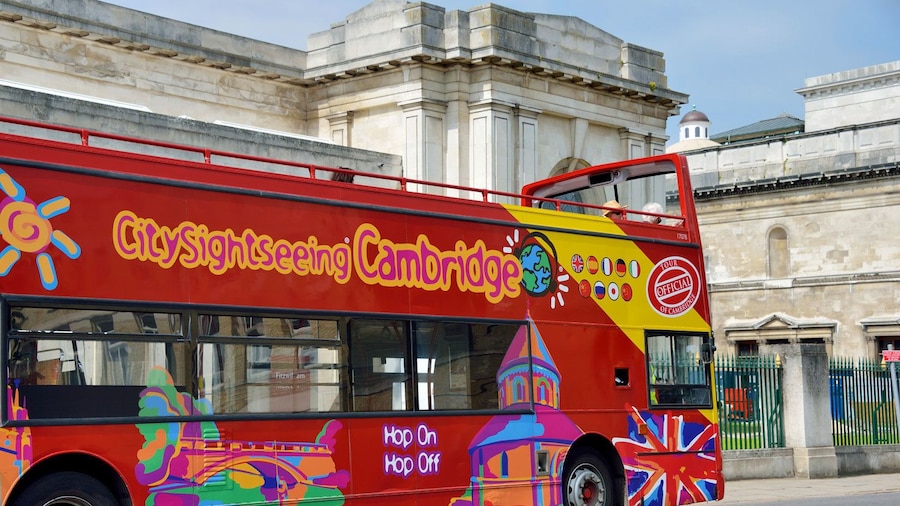
Turibús panorámico de City Sightseeing por Cambridge
US$ 34.793
por adulto

Cambridge tangencial: recorrido a pie en grupo por lugares de interés y aspectos destacados
US$ 53.213
por adulto

Curious Cambridge - El tour de historia que es divertido!!!
US$ 40.913
por adulto
El 100% de las personas recomiendan esta actividad

Excursión en barca con percha en Cambridge
US$ 165.780
por persona

Cambridge: tour de punting compartido con guía
US$ 81.866
por adulto
 Descubre actividadesDescubre miles de experiencias, desde actividades y atracciones hasta tours de un día y traslados.
 Reserva fácilmenteEvita las filas: reserva entradas en línea para las atracciones principales en unos minutos. Hay cancelación gratuita en muchas actividades.
 Accede a beneficiosLos socios ahorran un % o más al reservar actividades.